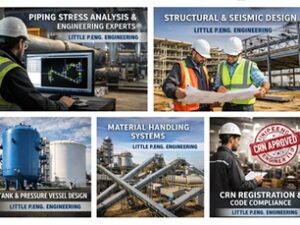
Piping design is a specialized engineering discipline focused on planning, routing, and optimizing pipe systems used to transport fluids such as gases, liquids, and slurries across industrial environments. It plays a critical role in sectors like oil and gas, power generation, and manufacturing, where efficiency, safety, and compliance are essential for operations.
In modern engineering projects, the process involves selecting appropriate materials, determining pipe sizes, and ensuring system layouts meet both operational and environmental demands. Organizations like Little P.Eng. Engineering bring expertise in creating systems that are not only functional but also resilient and cost-effective over the long term.
Importance of Piping Systems in Industrial Operations
Industrial facilities rely heavily on well-structured piping systems to maintain continuous production processes. Without properly designed pipelines, operations can face inefficiencies, safety hazards, and unexpected downtime that affect overall productivity and profitability.
Effective piping design ensures smooth fluid flow, minimizes pressure loss, and prevents system failures. Engineering consultancies like Little P.Eng. Engineering focus on delivering designs that align with international standards, helping industries maintain operational stability while meeting strict regulatory requirements.
Key Elements Involved in Piping Design
A successful piping system begins with accurate planning and detailed analysis of operational requirements. Engineers consider factors such as temperature, pressure, corrosion resistance, and environmental conditions to ensure the system performs efficiently under varying circumstances.
Material selection, layout planning, and support structures are essential components that determine the system’s durability and safety. These elements must be integrated carefully to avoid costly redesigns and ensure the system operates seamlessly throughout its lifecycle.
Role of Engineering Expertise in System Optimization
Engineering expertise plays a vital role in optimizing complex piping networks for performance and reliability. Experienced professionals use advanced simulation tools to analyze stress, flow dynamics, and structural integrity, ensuring that the system can handle real-world conditions effectively.
Firms like Little P.Eng. Engineering combine technical knowledge with practical experience to deliver solutions tailored to specific industrial needs. Their approach ensures that systems are not only compliant but also optimized for long-term efficiency and minimal maintenance.
Industries That Depend on Piping Design Solutions
The oil and gas sector is one of the largest users of advanced piping systems, where pipelines are used to transport crude oil, natural gas, and refined products across vast distances. In such environments, precision and safety are non-negotiable aspects of engineering.
Similarly, manufacturing plants and power generation facilities rely on efficient piping systems to manage steam, water, and chemical flows. The importance of reliable piping design in these industries cannot be overstated, as it directly impacts productivity and operational safety.
Safety and Compliance Considerations in Engineering
Safety is a fundamental aspect of any industrial piping system, as failures can lead to severe consequences including environmental damage and financial losses. Engineers must adhere to international codes and standards to ensure systems are designed and installed correctly.
Compliance with regional regulations is equally important, especially in countries with strict environmental and industrial laws. Proper documentation, testing, and certification processes help ensure that piping systems meet all necessary legal requirements before they are put into operation.
Modern Technologies Enhancing Piping Design
Technological advancements have significantly improved the way engineers approach piping systems. Tools like 3D modeling, simulation software, and digital twins allow for precise visualization and analysis before physical implementation begins.
These innovations help identify potential issues early in the design phase, reducing errors and improving overall project efficiency. As industries continue to evolve, adopting modern technologies has become essential for staying competitive in engineering solutions.
Integration of Advanced Engineering Services
In the middle of complex industrial projects, integrating multiple engineering disciplines becomes crucial for achieving optimal results. Combining piping design with structural engineering and simulation ensures that systems are both functional and durable under operational stress.
To explore professional solutions in piping design, businesses can rely on experienced consultancies that specialize in delivering tailored engineering services. These services are designed to meet the unique challenges of modern industries while maintaining high standards of safety and efficiency.
Practical Recommendations for Effective Piping Systems
Designing an efficient piping system requires a combination of technical knowledge and practical decision-making. Engineers should focus on creating layouts that reduce unnecessary bends and optimize flow paths to enhance performance.
- Always select materials that match environmental and operational conditions
- Conduct regular stress analysis to prevent system failures
- Ensure proper support structures to maintain stability over time
These practical steps can significantly improve the reliability and longevity of piping systems, reducing maintenance costs and enhancing operational efficiency.
Challenges Faced in Piping Design Projects
One of the biggest challenges in piping projects is managing complex layouts within limited space. Engineers must carefully plan routing to avoid conflicts with other systems while maintaining accessibility for maintenance and inspection.
Another major challenge is dealing with varying operational conditions such as temperature fluctuations and pressure changes. Addressing these factors requires detailed analysis and precise engineering to ensure system reliability and safety.
Future Trends in Industrial Piping Systems
The future of piping systems is closely tied to advancements in digital engineering and automation. Smart sensors and monitoring systems are being integrated into pipelines to provide real-time data on performance and potential issues.
Sustainability is also becoming a key focus, with industries looking for ways to reduce environmental impact through efficient designs. The evolution of piping design will continue to play a significant role in shaping modern industrial infrastructure.
Conclusion
In today’s industrial landscape, piping design is more than just a technical requirement; it is a strategic component that influences efficiency, safety, and long-term success. From planning and material selection to compliance and optimization, every aspect of the process contributes to the overall performance of industrial systems.
Businesses seeking reliable engineering solutions should consider working with experienced consultancies like Little P.Eng. Engineering to ensure their projects meet the highest standards. Investing in well-designed piping systems today can lead to improved productivity, reduced risks, and sustainable growth in the future.
Leave a Reply